
Eczema, a chronic skin condition characterized by redness, itching, and inflammation, affects millions of people worldwide. The relentless discomfort and cosmetic concerns associated with eczema often lead individuals on a quest for effective treatments. While pharmaceutical options are available, an increasing number of people are turning to natural remedies to alleviate their eczema symptoms.
In this article, we will delve into the world of natural healing by exploring the top 7 proven herbs and supplements that have shown promise in managing eczema. But before we do, it’s essential to understand the nature of eczema, why natural remedies might be a preferable choice, and the crucial role herbs and supplements can play in this journey towards healthier, more comfortable skin.
Before we move on however we want to invite you to check out our masterclass video on healing eczema naturally.
Understanding Eczema
What is Eczema?
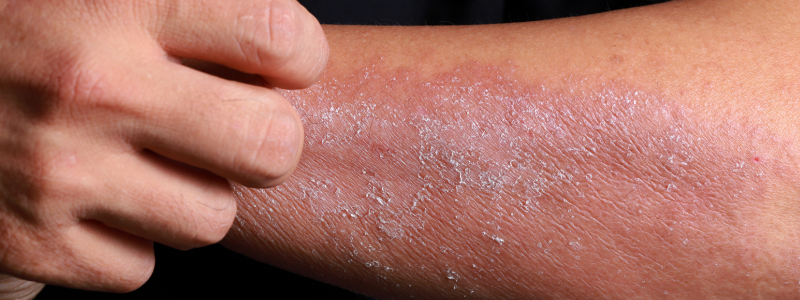
Eczema, medically known as dermatitis, is a group of skin conditions that cause the skin to become inflamed, itchy, and often accompanied by redness and discomfort. The most common type of eczema is atopic dermatitis, but there are various forms, including contact dermatitis, dyshidrotic eczema, and nummular eczema, among others.
Common Symptoms
The symptoms of eczema can vary from person to person and may include:
- Intense itching
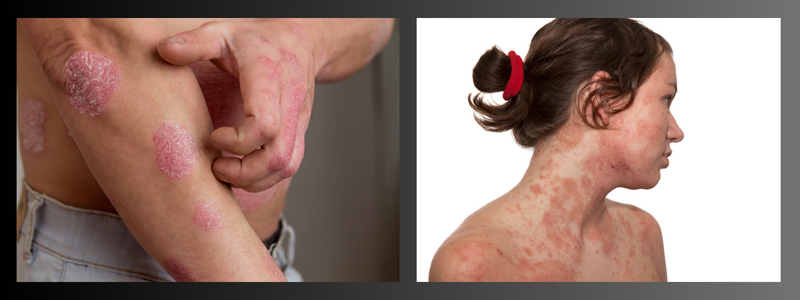
- Red or brownish-gray patches of skin
- Swelling or inflammation
- Dry, cracked, or scaly skin
- Blisters or oozing in severe cases
- Rough, leathery skin texture
- Skin sensitivity
Potential Causes and Triggers
The exact cause of eczema is not fully understood, but it is believed to result from a combination of genetic, environmental, and immune system factors. Some common triggers and factors that can worsen eczema symptoms include:
- Allergens (e.g., pollen, pet dander, dust mites)
- Irritants (e.g., soaps, detergents, fragrances)
- Dry skin
- Stress
- Changes in temperature or humidity
- Certain foods (although food allergies are less common causes)
- Hormonal changes
Understanding these factors and their impact on eczema is crucial for effective management, and it sets the stage for exploring natural remedies.

The Role of Herbs and Supplements
While conventional treatments like topical steroids and moisturizers can be effective, many individuals with eczema seek natural alternatives for various reasons. Herbs and supplements offer a holistic approach to healing by addressing the underlying factors contributing to eczema, such as inflammation and immune system imbalances. Moreover, they often come with fewer side effects than pharmaceutical options.
In the next sections of this article, we’ll introduce you to seven remarkable herbs and supplements that have demonstrated their potential in the natural management of eczema. However, it’s important to emphasize that before starting any new treatment, it’s essential to consult with a healthcare professional to ensure that it is safe and appropriate for your unique situation.
Living with Eczema: A Personal Journey
Meet Sarah. She’s a vibrant young woman with a zest for life. However, beneath her cheerful exterior lies a daily struggle that has been a part of her life for as long as she can remember – eczema.
Sarah’s journey with eczema began in childhood, a time when simple pleasures like playing in the grass or wearing certain fabrics often triggered relentless itching and discomfort. As she grew older, eczema became more than just an inconvenience; it was a constant presence in her life.
For Sarah, eczema meant sleepless nights due to itching and restless skin. It meant missing out on pool parties and beach vacations because of the fear of exposing her inflamed skin to the sun and saltwater. It meant spending hours at the dermatologist’s office, trying one prescription cream after another, each with its own list of side effects.
The emotional toll was just as challenging as the physical discomfort. Sarah often felt self-conscious about her appearance, covering up even in the sweltering summer heat. She faced questions and stares from well-meaning friends and strangers, all of which eroded her self-esteem over time.
Despite the struggles, Sarah remained determined to find a way to manage her eczema naturally. She researched tirelessly, seeking advice from experts, and connecting with online communities of fellow eczema sufferers. Her journey was marked by both setbacks and small victories, but she never gave up hope.
Through trial and error, Sarah discovered a combination of natural remedies that brought her relief. While these remedies didn’t provide a cure, they offered a way to manage her eczema more effectively. Sarah’s story is a testament to the resilience of individuals living with eczema and their unwavering commitment to finding solutions that work for them.
In the sections that follow, we’ll explore some of the herbs and supplements that Sarah and others like her have found to be beneficial in their quest to manage eczema naturally.
Top 7 Herbs and Supplements for Eczema
1. Borage Seed Oil
Borage seed oil is a rich source of gamma-linolenic acid (GLA), known for its anti-inflammatory properties. When incorporated into an eczema management regimen, borage seed oil supplements have shown the ability to reduce the intensity of eczema symptoms. It works by mitigating itching and redness, two of the most uncomfortable and persistent aspects of eczema.
2. Evening Primrose Oil
Evening primrose oil is another excellent source of GLA. It has shown promise in helping to manage eczema symptoms, particularly in reducing the frequency and severity of flares. People often find that evening primrose oil supplements improve skin hydration and overall comfort.
3. Fish Oil
Fish oil supplements, containing omega-3 fatty acids like EPA and DHA, can be beneficial for eczema sufferers. Omega-3s have anti-inflammatory properties, which may help reduce itching and inflammation. Some individuals also report that their skin becomes less prone to irritation from external factors like sun exposure.
4. Probiotics
Probiotics, commonly known as “good” bacteria, can play a role in eczema management. Research suggests that probiotics may help balance the gut microbiome, which can influence the immune system’s response and reduce the severity of eczema symptoms, especially in children.
5. Turmeric
Curcumin, the active compound in turmeric, possesses powerful anti-inflammatory and antioxidant properties. Some people have found relief from eczema symptoms by incorporating turmeric into their diets or taking curcumin supplements. It may help reduce skin inflammation and itching.
6. Aloe Vera
Aloe vera is well-known for its soothing and moisturizing properties. When applied topically, aloe vera gel can provide immediate relief from the itching and discomfort associated with eczema flare-ups. Its natural anti-inflammatory properties help reduce redness and swelling while promoting the healing of damaged skin.
For some individuals, taking aloe vera supplements may also support overall skin health by providing essential nutrients from within, contributing to a more comprehensive approach to eczema management. Whether applied topically or ingested, aloe vera has become a trusted ally for those seeking natural ways to alleviate the symptoms of eczema.
7. Vitamin D
Vitamin D is crucial for skin health, and some studies suggest that vitamin D supplements may benefit individuals with eczema, particularly those with low vitamin D levels. Adequate vitamin D levels can help maintain skin integrity and reduce the risk of flare-ups.
These seven herbs and supplements have shown promise in helping individuals manage eczema symptoms naturally. However, it’s essential to remember that what works for one person may not work for another. Consulting with a healthcare professional is crucial to determine the right approach for your unique situation and to ensure the safety and effectiveness of any supplements you decide to incorporate into your routine.
Additional Eczema Management Tips
Managing Triggers
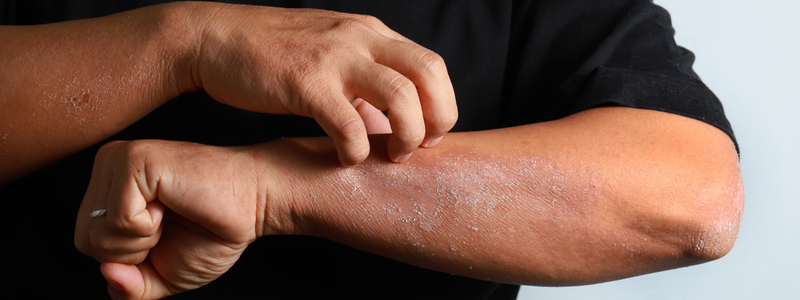
Managing eczema effectively often begins with identifying and minimizing triggers that can exacerbate symptoms. Some common triggers include allergens like pollen and pet dander, irritants such as fragranced products and harsh detergents, and changes in temperature or humidity. To help pinpoint and manage your specific triggers:
- Keep a journal: Document daily activities, diet, and any changes in your environment to identify patterns related to eczema flares.
- Invest in hypoallergenic products: Choose skincare products and detergents designed for sensitive skin to minimize irritation.
- Wear breathable fabrics: Opt for natural, breathable fabrics like cotton to reduce sweating and itching.
Diet and Nutrition
Diet plays a significant role in managing eczema. While food allergies are less common causes, some individuals find that certain foods can trigger or worsen their eczema symptoms. Consider the following dietary tips:
- Eat a balanced diet: Ensure your meals are rich in essential nutrients like vitamins A, C, and E, as well as omega-3 fatty acids found in fish and flaxseeds.
- Hydrate well: Staying adequately hydrated can help maintain skin health and reduce dryness.
- Identify potential triggers: Some people may find relief by eliminating or reducing foods that commonly trigger eczema, such as dairy, gluten, or processed foods.
Lifestyle Changes
Beyond skincare and diet, lifestyle changes can significantly impact eczema management. Here are some adjustments that may complement your treatment plan:
- Stress reduction: Practice stress-reduction techniques like meditation, yoga, or deep breathing exercises, as stress can exacerbate eczema symptoms.
- Consistent sleep schedule: Aim for a regular sleep pattern, as quality sleep can contribute to overall skin health.
- Hygiene habits: Be mindful of your bathing routine. Use lukewarm water, mild soap, and gentle patting to avoid irritating the skin.

Conclusion
Eczema, with its persistent itching and discomfort, can be a challenging condition to manage. However, there is hope for relief and improvement. By adopting a holistic approach to eczema management, which includes natural remedies like herbs and supplements, along with proper skincare, dietary choices, and stress reduction techniques, you can take control of your eczema and enhance your quality of life.
Remember that what works best for you may require some trial and error, and it’s essential to consult with a healthcare professional to ensure a safe and tailored approach. The journey to healthier, more comfortable skin may be ongoing, but with determination and informed choices, effective eczema management is within reach.
We encourage you to explore the tips and remedies mentioned in this article and don’t hesitate to reach out to a healthcare provider for guidance on creating a personalized eczema management plan. Feel free to check out our free masterclass video on healing eczema naturally. Click here to see it! Your skin’s health and your overall well-being are worth the effort.
